Logo

Plan Your 2026 Season

Manitoba Hunting Guide 2026: Duck, Goose & Crane Seasons, Licensing, and Zones

Manitoba’s fall migration moves ducks, Canada geese, snow geese, and sandhill cranes through the Prairie Pothole Region from early September into November, and a hunter travelling in from outside Canada needs three things settled before arrival: a federal Migratory Game Bird Hunting Permit, provincial licensing, and a border declaration for any firearm crossing with them.

Those three requirements are the whole of what stands between a foreign-resident hunter and a Manitoba field, and each carries its own timeline. The sections below work through all three, then the season windows Birdtail Waterfowl currently publishes by species, how Manitoba organizes hunting zones, the gear that works on prairie grain fields in September and October, and the booking timeline that keeps the licensing paperwork on schedule. Every figure here is either Birdtail’s own currently published number or a link straight to the authority that sets it.

Seasons

Manitoba Waterfowl Seasons by Species (2026)

Birdtail guides from September 1 through November 8, a window narrower than the full legal season Manitoba publishes for migratory game birds. A hunter cannot assume every legal date is a bookable date; the last stretch of the published season falls outside Birdtail’s operating calendar. Every date and limit in this section is Birdtail’s own currently published figure.

All three of Birdtail’s published goose and crane seasons run September 1 to December 6 for residents and non-resident Canadians. Foreign residents (US citizens and other international hunters) get a later opening date on the two goose seasons, and each species section below carries the detail that differs.

Duck Season

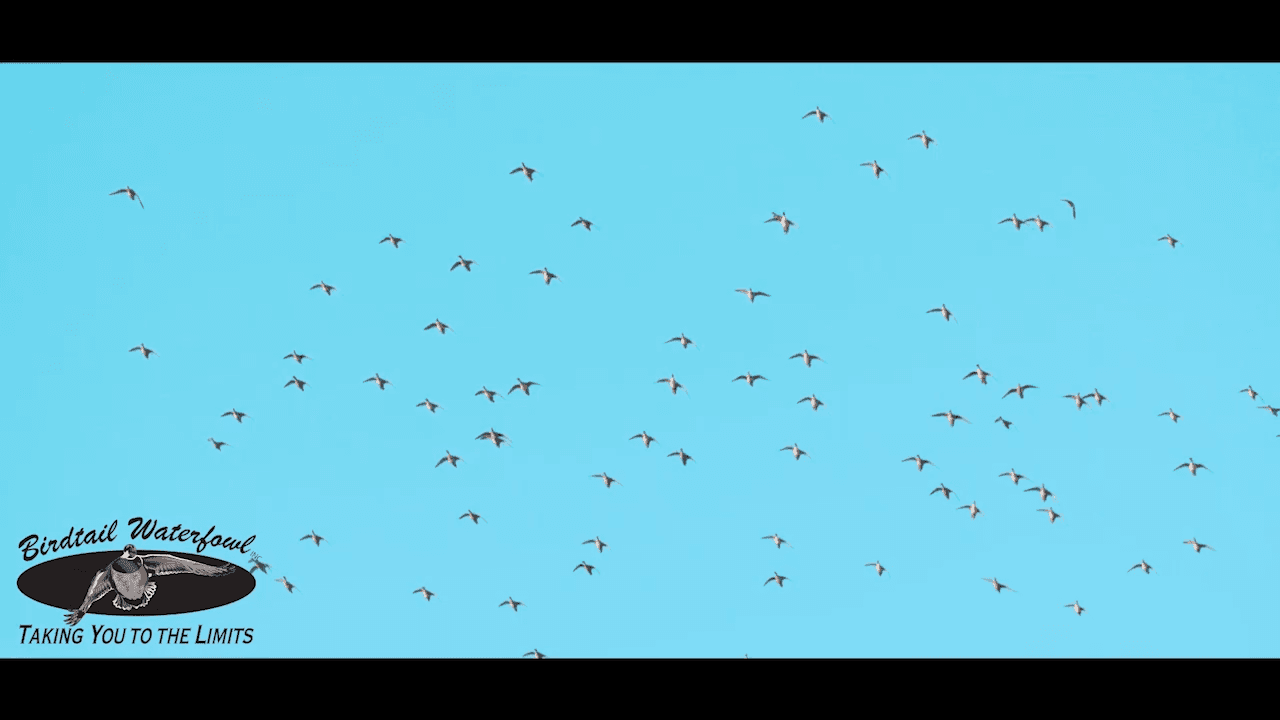
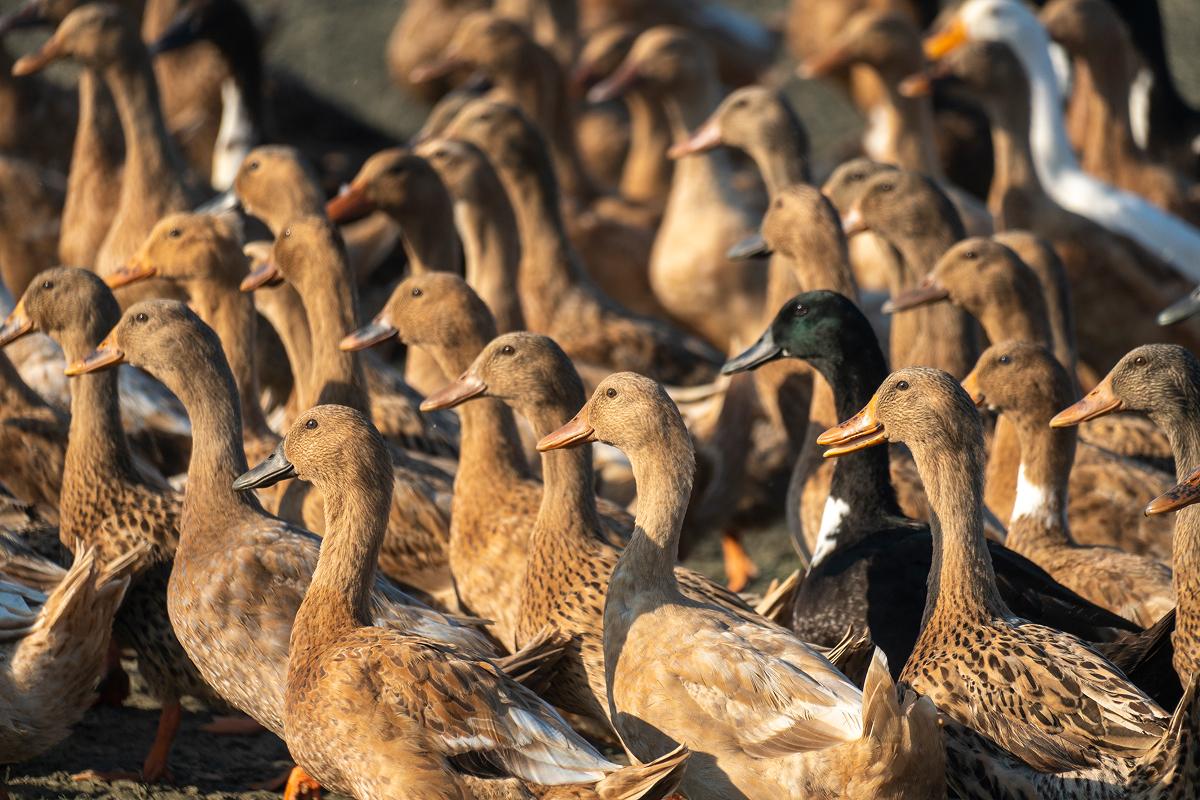
Puddle ducks and divers overlap through most of Birdtail’s guided window, which runs September into early November. Mallards, pintails, and widgeon carry the field hunts, while bluebills, canvasbacks, buffleheads, goldeneye, and redheads come off the water on diver setups. Species mix shifts week to week as the migration pushes through, and the guides scout ahead of each morning rather than returning to the same fields.

Species detail lives on the duck hunting page, with dedicated write-ups for mallards and pintails, diver hunting, pothole hunting, and multi-species hunting.

Canada Goose Season

Foreign residents open on Canada geese September 24 and hunt through December 6. Dark goose limits are 5 daily and 15 in possession, covering Greater and Lesser Canada geese along with specklebellies. Legal shooting times run from half an hour before sunrise to half an hour after sunset.

Birdtail hunts Canada geese from mid-September until early November. Goose hunts are morning only for the first half of the season, and all-day dark goose hunting opens on the second Monday in October. Because the guided season closes November 8, the December portion of the published season is not bookable through Birdtail. The Canada goose page covers how those hunts are run.

Snow Goose Season

Snow geese open a week earlier for foreign residents than Canada geese do: September 17, running through December 6. White goose limits are 50 daily with no possession limit, covering snow, blue, and Ross’s geese, and all-day white goose hunting is available. Legal shooting times run from half an hour before sunrise to half an hour after sunset.

Birdtail hunts snow geese from mid-September until mid-October, when the bulk of the white goose migration is on the ground. See the snow goose page for spread and blind detail.

Sandhill Crane Season

Cranes carry no separate foreign-resident opening date: September 1 to December 6 applies to residents and foreign residents alike, with limits of 5 daily and 15 in possession. In practice Birdtail hunts cranes from mid-September until mid-October, weather dependent, and crane hunts are morning only.

Crane hunts must be booked in advance and carry a $75 additional charge per hunter. Full detail sits on the sandhill crane page.

Verify current-season dates and limits. Manitoba sets migratory game bird seasons and bag limits every year, and the numbers above can change between seasons. Check the current edition of the official Manitoba Hunting Guide before you travel; the province publishes the annual guide and its supplements there.
/plugs/ID-19.png
Leaves

Non-Resident Licensing: What US and Foreign Hunters Need

Two layers of paperwork apply to every migratory bird hunter in Canada: a federal permit issued by Environment and Climate Change Canada, and a provincial licence issued by Manitoba. Residency decides how the provincial layer gets handled, and for foreign residents hunting with Birdtail, the outfitter handles it.

Federal Migratory Game Bird Hunting Permit

Every hunter needs this permit, Canadian resident and foreign resident alike. Environment and Climate Change Canada states the permit fee is $17.00 plus applicable taxes and includes the cost of the Canadian Wildlife Habitat Conservation Stamp ($8.50), and that the 2026 electronic permit is available from August 1, 2026 to June 30, 2027. Hunters under 18 get the Youth permit and electronic stamp free of charge.

The permit can be bought as an e-permit through the federal Regulatory Services Platform, at select Canada Post outlets, or from an independent vendor. Carry it (physical or electronic) at all times while hunting; it is valid only for the person named on it. Environment and Climate Change Canada also notes that physical permits with physical stamps may be phased out as early as the 2027 to 2028 hunting season, so an e-permit is the safer default. Buy it and confirm current pricing on the Government of Canada Migratory Game Bird Hunting Permit page.

Manitoba Provincial License

Canadian residents buy their Manitoba game bird licence directly through the province’s e-licensing system. Manitoba rebuilt that platform, and anyone using it for the first time since April 1, 2026 has to create a new account before purchasing. Current licence products and fees appear inside the account portal, so check them at Manitoba e-Licensing itself; figures quoted elsewhere go stale.

Foreign Resident (US) License

Paul purchases the Foreign Resident Migratory Game Bird Licence ($218.25) on the hunter’s behalf, and it is ready at the lodge on arrival. Hunting licences sit outside the package price: Birdtail lists them under what is not included on its rates page, and the licence cost is added to the hunter’s final bill. This is Birdtail’s own process and does not describe how every Manitoba outfitter operates, so a hunter booking elsewhere should ask that operation directly.

Manitoba publishes three routes for non-Canadian residents to hunt migratory game birds in the fall: a seven-day Foreign Resident Migratory Game Bird Licence purchased through a licenced Manitoba outfitter, the Foreign Resident Migratory Game Bird Licence Draw (applications accepted June 15 to July 15 each year), or a grandfathered licence held by qualified land interest holders. The outfitter route is the one Birdtail hunters use. Manitoba’s waterfowl licensing page carries the current wording on all three.

Trip Information Form

Birdtail asks every hunter to complete the Trip Information Form at least 60 days prior to the scheduled hunt. The form supplies the details Birdtail needs to buy foreign-resident licences in time, which makes it the hard deadline in the licensing chain. Download it from the downloads page, which also collects the licence and permit links referenced above.

Where to Hunt

Manitoba’s Zones and the Prairie Pothole Region

Manitoba organizes migratory bird hunting by game bird hunting zone, and the province sets the rules attached to each zone. Season dates, opening days, and species rules can differ from one zone to the next, which is why a date that applies in one part of the province may not apply where you are hunting. Zone boundaries and the rules attached to them are published in the official Manitoba Hunting Guide; read the current edition, and treat any zone number quoted secondhand as unverified.

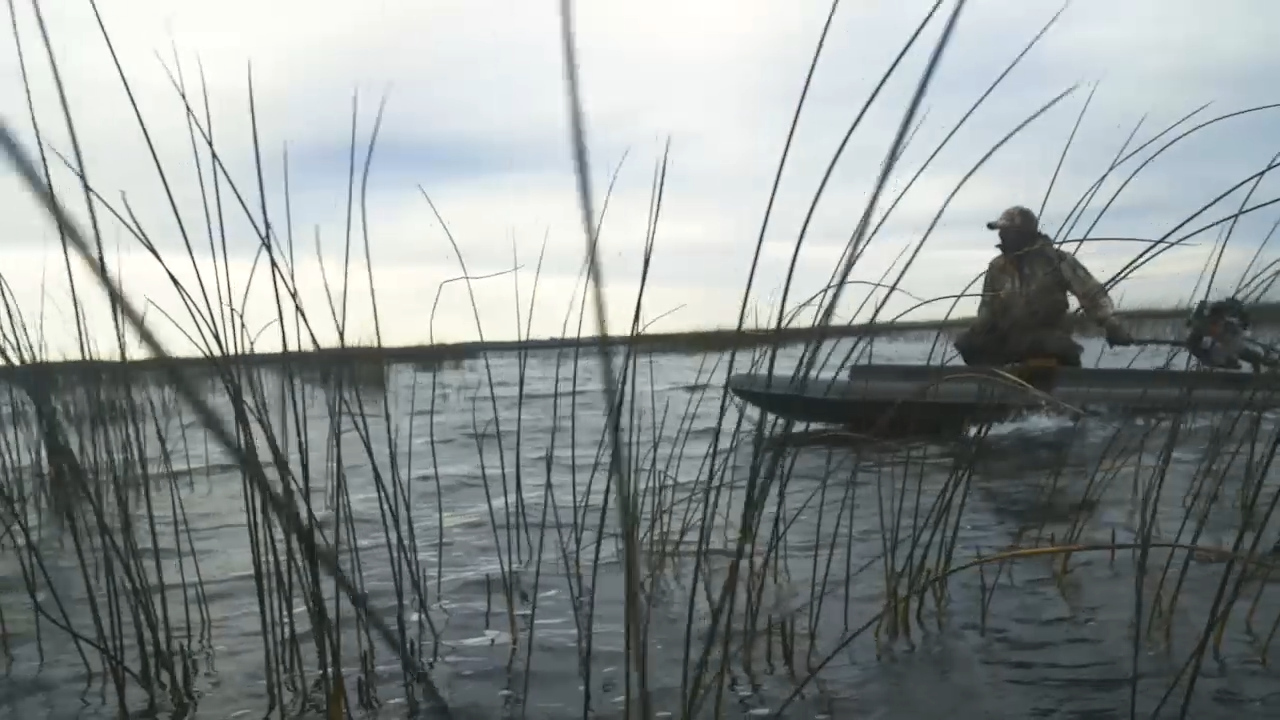
Birdtail hunts the Prairie Pothole Region near the south basin of Lake Manitoba. That country pairs shallow wetlands with harvested grain fields, so migrating birds find roost water and feed within a short flight of each other, and it sits under one of North America’s major migratory flyways.

The precise lodge location stays private until a hunt is booked, a deliberate choice that protects the leased and permissioned ground the guides scout. Booked hunters get full travel detail with their trip package. The experience page covers the habitat and the daily rhythm of a hunt, and the hunting overview lays out every species Birdtail guides.

/plugs/ID-50.png
Leaves

Guided Hunt vs. DIY: What Changes for a Traveling Hunter

A guided hunt buys three things: scouted land access, current local knowledge of where the birds are sitting this week, and someone else carrying the foreign-resident licence paperwork. A DIY hunt puts all three on the hunter: securing permission on private agricultural ground, scouting fields cold in unfamiliar country, and running your own licensing timeline to the season opener.

Land access is the sharpest difference in this part of Manitoba. The Prairie Pothole Region is heavily private farmland, and the fields holding birds change as harvest progresses, so access secured in advance for one field can be worth nothing three days later. Guided operations solve that by scouting daily across a base of permissioned ground; a DIY hunter solves it by knocking on doors, which takes time out of the hunting day and works better on a repeat trip than a first one.

Both approaches produce good hunts in Manitoba. The choice comes down to how much of the trip a hunter wants to run personally and how much runway is left before the season opens. Birdtail’s piece on choosing the right Manitoba waterfowl outfitter goes deeper on how to evaluate guide quality, land access, and accommodations when comparing operations.

Gear and Logistics

What to Bring: Gear, Firearms, and the Border

Prairie field hunting in September and October asks for specific loads, weather-appropriate layers, and border paperwork that has to be finished before a hunter reaches Canadian customs. The gear list below covers what changes for a travelling hunter.

Shotgun and Shells

Birdtail recommends 3-inch #4 for ducks, 3-inch #2 for geese, and 3-inch BB for sandhill cranes. The two larger loads pattern best out of a 12-gauge or a 10-gauge, and Birdtail reports that 3½-inch shells do not perform well on geese or cranes. Hunters who want to skip the border paperwork entirely can use the shotgun rental program and pick up a gun at the lodge, which removes the declaration step and the risk of a firearm going astray in checked baggage.

Bringing a Firearm Across the Border

A visiting hunter without a Canadian firearms licence brings a shotgun in on a Non-Resident Firearm Declaration. The RCMP publishes it as form RCMP 5589 and states the fee is $25; once a Canada Border Services Agency officer confirms the declaration, it works as a temporary firearms licence for up to 60 days. Fill the form out before you arrive at your entry point and do not sign it, because a border services officer has to witness the signature. Bringing more than two firearms means adding the continuation sheet, RCMP form 5590.

Only non-restricted firearms may be used for hunting in Canada, and the CBSA states that anyone importing firearms must be at least 18 years of age. Declare every firearm to a border services officer on arrival and answer their questions truthfully; an undeclared firearm can be seized and can carry criminal charges or monetary penalties. Hunters who already hold a Canadian Possession and Acquisition Licence do not need the declaration, though they still have to declare the firearm at the border. Confirm the current process on the CBSA firearms and weapons page and the RCMP non-residents page, which carries the current form.

Ammunition Limits

Two separate limits apply to shells, and they are set by different authorities. The CBSA states that non-residents with a Possession and Acquisition Licence or a Non-Resident Firearm Declaration can import 200 rounds duty-free for hunting purposes. Airlines set their own limits on quantity and packaging for checked ammunition, and those rules vary by carrier, so confirm yours directly with the airline before you pack and check current federal guidance on the CBSA page for import rules.

Packing for the Field

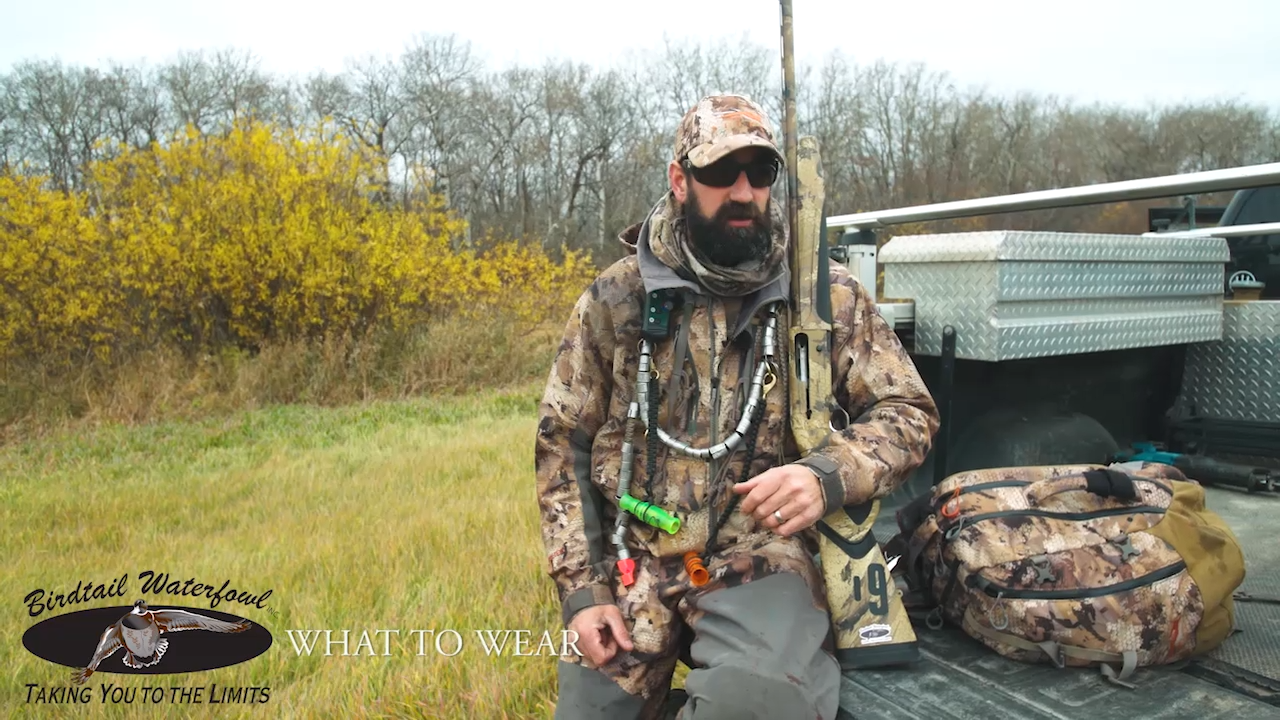
Waders come complimentary at Birdtail, which takes the bulkiest item off the packing list. Bring layered clothing: prairie mornings in late September and October can start below freezing and warm through the day, so a base layer, an insulating mid layer, and a windproof outer shell in camouflage handle that range better than one heavy coat. Gloves, a face covering, and a change of dry socks belong in the blind bag. Lodge amenities and what is already provided are listed on the accommodations page.

Gun cases, checked baggage handling, cellular reception, and the rest of the travel logistics are answered in detail on the frequently asked questions page.

/plugs/ID-53.png
Leaves

Why Book a Manitoba Waterfowl Hunt Early

Birdtail’s booking mechanics set a fixed timeline that a late booking cannot compress. A deposit of 50 percent of the package cost is due within 14 days of booking and is non-refundable, final payment is due August 1 and is due on all bookings made less than 90 days prior to arrival, and the Trip Information Form is due at least 60 days before the scheduled hunt.

A booking made inside 60 days of the hunt date leaves no runway on the one step that runs through a government transaction. For foreign residents, the Trip Information Form supplies the information Birdtail needs to purchase the provincial licence, so the form deadline sets the practical floor on how late a first-time foreign-resident booking can be made.

The fuller booking-logistics breakdown, including how deposits, trip planning, and travel coordination line up across the year, sits in why early booking matters for Manitoba waterfowl hunts.

Where Birdtail Waterfowl Fits

Birdtail Waterfowl runs guided, all-inclusive hunts on the Prairie Pothole Region ground described above, in 3-day and 4-day packages. Licensed guides scout and run each hunt, meals are prepared by a Red Seal Chef, and waders are provided. Hunting licences are not part of the package price: Paul buys the foreign resident licence ($218.25) on the hunter’s behalf ahead of arrival, and the cost goes onto the final bill. The guided season runs September 1 through November 8.

Upland grouse and skeet run out of camp for hunters with spare time between hunts, and both are covered on the other activities page. Lodging, meals, and amenities are detailed on the accommodations page.

Next step: check package inclusions and current pricing on the dates and rates page, then send your preferred dates and group size through the contact page and Paul will confirm what is still open for the 2026 season.

Manitoba Hunting Guide FAQs

When is duck and goose season in Manitoba?

Birdtail Waterfowl publishes a September 1 to December 6 season for residents and non-resident Canadians across Canada geese, snow geese, and sandhill cranes, with foreign residents opening September 24 for Canada geese and September 17 for snow geese. Birdtail does not publish duck season dates, so the official Manitoba Hunting Guide is the authority for the current duck season and the one to check before booking travel; it also carries the current-year goose and crane dates, which the province resets each season. Birdtail’s own guided window is shorter than the published season: guides run September 1 to November 8, so the last few weeks of the published season are not bookable.

Do non-resident hunters need a Manitoba hunting license?

Yes. Every migratory bird hunter in Canada needs a federal Migratory Game Bird Hunting Permit, and provincial licensing sits on top of it. Canadian residents buy their Manitoba game bird licence through the province’s e-licensing system. For foreign residents hunting with Birdtail, Paul purchases the Foreign Resident Migratory Game Bird Licence ($218.25) on the hunter’s behalf and has it ready on arrival; hunting licences are not included in the package price, and the licence cost is added to the final bill. Current federal permit pricing is published on the Government of Canada permit page, and Manitoba’s licence fees are listed inside the e-licensing account portal.

Can US hunters bring their own shotgun into Manitoba?

Yes, with a completed Non-Resident Firearm Declaration. The RCMP publishes the declaration as form RCMP 5589; it costs $25, and once a Canada Border Services Agency officer confirms it, it works as a temporary firearms licence for up to 60 days. Fill the form out before you reach the border and leave it unsigned, because a border services officer has to witness the signature. Only non-restricted firearms may be used for hunting, and anyone importing a firearm into Canada must be at least 18 years of age. Confirm the current process on the CBSA firearms page and the RCMP non-residents page.

What are the daily bag limits for ducks, geese, and sandhill cranes in Manitoba?

Birdtail Waterfowl currently publishes a dark goose limit of 5 daily and 15 in possession (Greater and Lesser Canada geese plus specklebellies), a white goose limit of 50 daily with no possession limit (snow, blue, and Ross’s geese), and a sandhill crane limit of 5 daily and 15 in possession. The province resets these numbers each year, so confirm the current-season figures, including duck limits and any species-specific restrictions, in the official Manitoba Hunting Guide.

Is a guided hunt or a DIY hunt better for a first-time Manitoba hunter?

A guided hunt is the shorter path for a first-time visiting hunter, mainly because of land access and paperwork. The Prairie Pothole Region is heavily private agricultural land, so hunting it means securing permission field by field, and Birdtail buys the provincial licence on a foreign resident’s behalf and adds the cost to the final bill. A DIY hunt is entirely workable for hunters who want to run their own scouting, secure their own access, and manage their own licensing timeline; it simply front-loads far more of the trip onto the hunter. Birdtail’s guide on choosing the right Manitoba waterfowl outfitter walks through how to compare operations.

How far in advance should hunters book a Manitoba waterfowl hunt?

Months of lead time, because Birdtail’s published booking terms set several fixed dates. The deposit of 50 percent of the package cost is due within 14 days of booking and is non-refundable, final payment is due August 1 and is due on all bookings made less than 90 days prior to arrival, and the Trip Information Form is due at least 60 days before the scheduled hunt. That form is what starts the foreign-resident licence purchase, so a booking made inside 60 days of the hunt date compresses the one step a hunter cannot rush.

What’s the closest airport for a Manitoba waterfowl hunting trip?

Winnipeg International Airport (YWG) is the arrival hub for Birdtail hunters. Birdtail offers round-trip transportation between the airport and the lodge for a fee; current pricing sits with the package details on the dates and rates page.

Which part of Manitoba has the best waterfowl hunting?

The Prairie Pothole Region and the south basin of Lake Manitoba concentrate the birds. Shallow wetlands sit next to harvested grain fields there, which gives migrating ducks, geese, and cranes both roost water and feed in the same country, and the region sits under one of North America’s major migratory flyways. Birdtail hunts that ground; the experience page covers the habitat in detail.

Ready for the Ultimate Hunting Adventure?

Book Your Hunting Trip
Read Our Stories

Blog

Stay in the know! Our blog is a great way to stay informed on what’s happening on the water fowling scene.

Hunting Where the Birds Want to Be

Hunting Where the Birds Want to Be

There’s a difference between hunting birds, and hunting where birds naturally want to be. In waterfowl hunting, success is often less about forcing the situation and more about positioning yourself in the right place at the right time.

Why Early Booking Matters for Manitoba Waterfowl Hunts

Why Early Booking Matters for Manitoba Waterfowl Hunts

Book your Manitoba waterfowl hunt early to secure prime dates, plan travel, and enjoy top-tier guided experiences in the Prairie Pothole Region.

Choosing the Right Manitoba Waterfowl Outfitter

Choosing the Right Manitoba Waterfowl Outfitter

Learn about Birdtail's resources when it comes to outfitting and hunting.