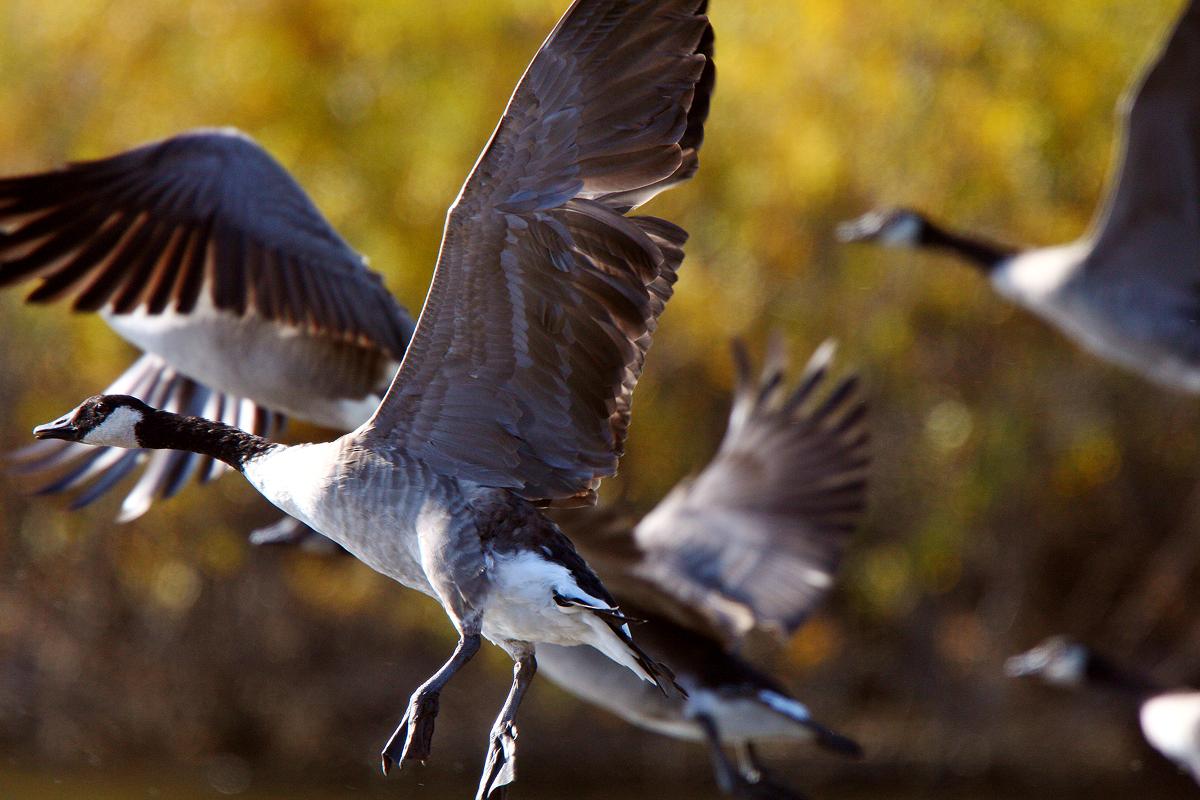
Each fall, as temperatures drop and daylight fades, an incredible journey unfolds across the skies of North America. Many waterfowl species, from ducks to geese to cranes, will pack up and head south when the snow comes, traveling thousands of kilometres to find wetter, warmer climates where food and open water remain abundant. For those of us at Birdtail Waterfowl, based in Manitoba’s heart, this annual migration is both a wonder and a reminder of how vital certain regions are in the great flyway network. In this post, we explore how migration works, why species differ in their paths, and how Manitoba plays a special role in guiding these birds on their winter journey.
The Great Migration: How and Why Birds Migrate
Bird migration is a remarkable natural strategy. As the seasons shift, so do the birds. Many species rely on a rhythm of breeding in the north during spring and summer, then migrating south for winter when water and food sources freeze or disappear. This movement isn’t random: It can usually follow long-established migration corridors, or “flyways,” that provide stopovers and safe routes during travel.
Several factors drive migration: shortening daylight, dropping temperatures, frozen waters, and reduced food availability. For waterfowl, open water and access to wetlands, marshes, and agricultural fields are crucial. As northern lakes and marshes ice over in fall, birds begin to move. They seek regions where wetlands remain open or marshes and flooded fields still offer aquatic plants, seeds, and other sources of nourishment.
Because different species have different habitat needs, their migration pathways, timing, and destinations can vary. Some may journey to the southern United States or even Mexico, while others may winter along the coasts of North America or on large unfrozen lakes.
Why Manitoba Matters: The Prairie Pothole Region as a Flyway Hub
If you look at a map of North American flyways, you may notice a convergence zone that runs through the prairies. This makes Manitoba, especially regions like the Prairie Pothole Region, hugely important and successful for hunting. Birdtail Waterfowl’s location taps directly into this convergence, making it a crossroads for migrating waterfowl of many kinds.
Rolling prairie potholes, wetlands, marshes, shallow flooded fields, and agricultural land create a mosaic of habitats ideal for birds during their stopovers. Rich grain fields and marshy sloughs provide food and refuge, while open water and shallow wetlands offer places for ducks and geese to rest or feed.
Because so many species pass through this hub, the flights overhead are often mixed: Ducks, geese, and cranes arriving together, sometimes in the tens of thousands. Birdtail Waterfowl highlights that their region sees a “healthy diversity of waterfowl” year after year thanks to this strategic geography.
In short: Manitoba isn’t just on a flyway. It is a central motorway for migratory birds: A place where they stop, refuel, rest, and get ready for the next leg of their journey.
What Happens to the Birds During Winter
Once birds reach their wintering grounds, which can vary depending on species, they settle into habitats that meet their needs. For many ducks and geese, that could mean coastal marshes, estuaries, bayous, southern lakes, or even agricultural wetlands where leftover grains give them sustenance. Diving ducks may head to deeper lakes or coastal waters where they can dive for shellfish and aquatic plants.
Larger migratory birds like cranes or snow geese may gather in large flocks in open fields or marshy floodplains, taking advantage of milder climates. These destinations also offer safety in numbers, as their collective presence reduces the threat from predators.
In spring, as weather warms and daylight increases, these birds begin their journey back north. They retrace or adjust their routes depending on conditions, sometimes returning through the same flyways, other times taking alternate paths to reach their breeding grounds in Canada or otherwise.
A Note from Birdtail Waterfowl: Respect and Conservation
At Birdtail Waterfowl, we understand the privilege of witnessing migration and the responsibility that comes with it. Our location in Manitoba’s flyway hub means we see immense numbers of birds, and is a reminder of the importance of habitat, migration corridors, and sustainable stewardship.
As climates shift and wetlands face pressure from agriculture or development, every effort to preserve marshes, potholes, and wetlands matters. Birds depend on safe stopovers and healthy habitat to complete their journey, and protecting these places ensures migration continues for generations to come.
Migration is more than a bird’s seasonal routine: It is a story of resilience, instinct, geography, and survival. Here at Birdtail Waterfowl, we believe in the journey and the shared responsibility we have to safeguard and savor it. Contact us today to plan your hunt with us and experience one of the most amazing events in the natural world.